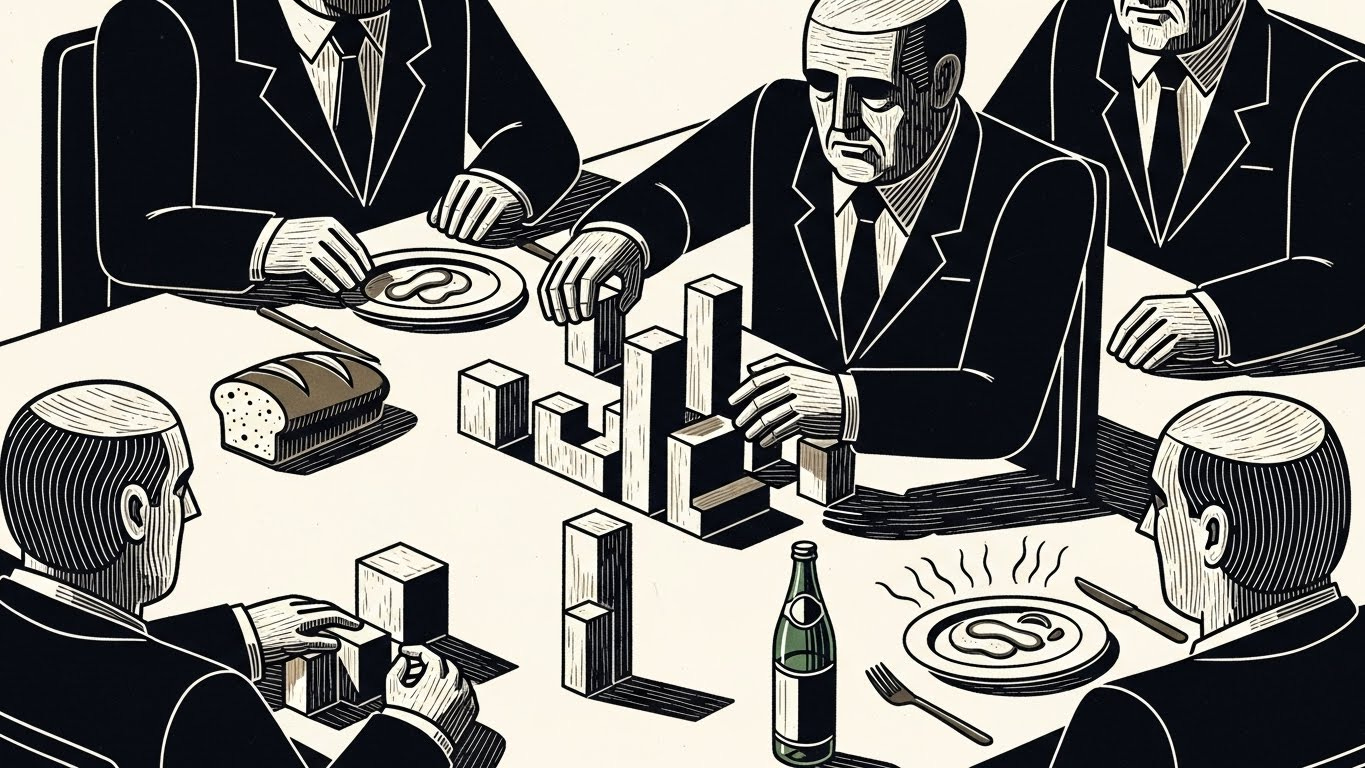
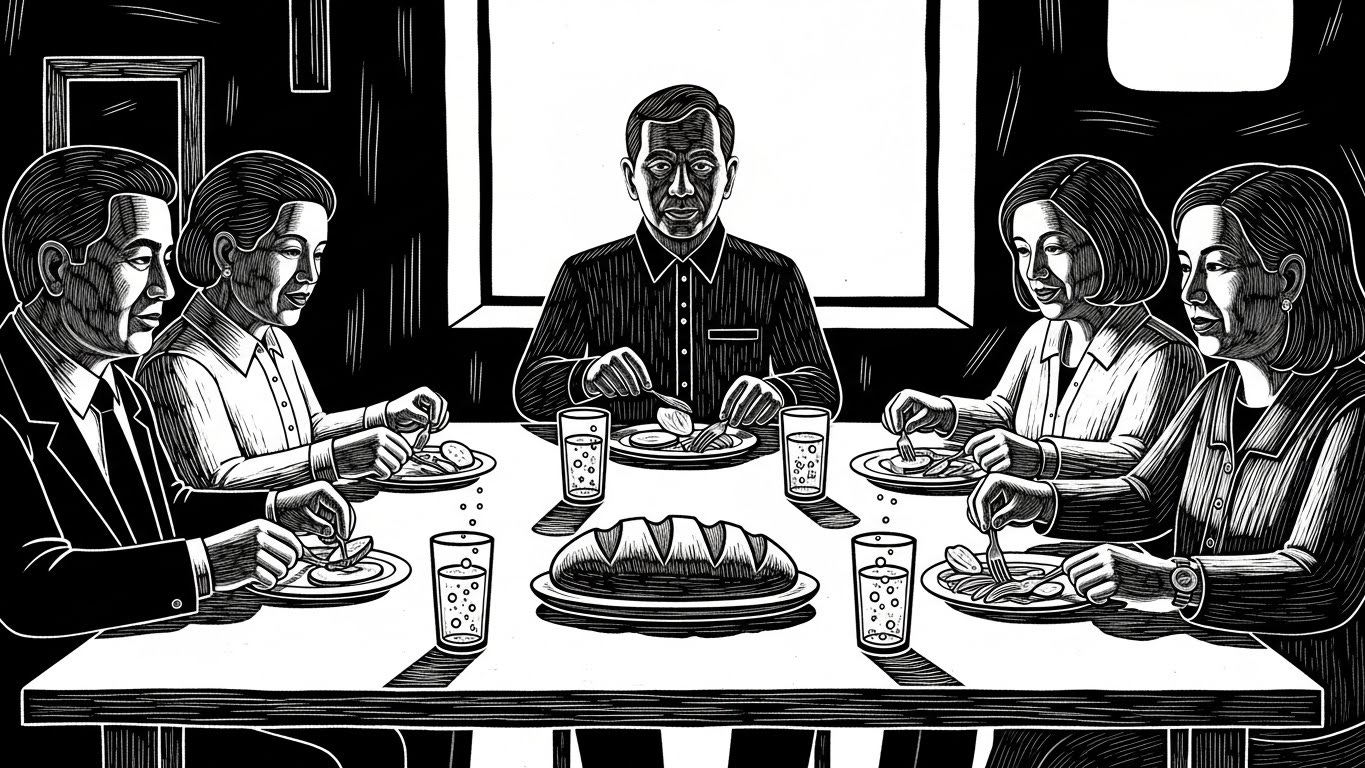
The lunch in Brussels seemed uneventful. Bread. Sparkling water. A plate growing cold. Ministers spoke the familiar language of contemporary public health: protecting minors, addressing “emerging products,” and safeguarding the future. Nothing sounded urgent. Nothing felt radical.
Only later did the moment begin to feel more significant. That lunch now seems less like a break in policymaking and more like a portal. Beyond that threshold lies a broader transformation, one that no longer centers on nicotine.
From Austria to Mexico, from Norway to the Philippines, governments under radically different political systems are quietly reshaping nicotine public health. Not to compare risks or expand care for smokers, but to mold behavior, redesign markets, and shrink the space for autonomy, health education, and informed decision-making.
Once the pattern becomes visible, prohibition reveals itself as only one instrument among many. Where bans fail, the state monopolizes. Where markets resist, they are engineered. Where products persist, information is withheld. And where uncertainty reigns, the future itself is legislated.
A deeper question, rarely raised in global media, haunts this transformation: whose interests are being protected, and at what cost?
Which classes and industries stand to gain?
Which forms of consumption remain tolerated, regulated, and profitable, and which are rendered invisible or criminalized?
« The vape is now viewed not as a risk to be managed, but as something to be eliminated.
On the afternoon of December 9, inside Mexico’s Chamber of Deputies, no specific product was under debate. There were no bottles, no devices, no brand names on the table. What was being approved was something more abstract. And far more ambitious. A new revision of the General Health Law would now ban technologies, mechanisms, and systems designed to vaporize or atomize inhalable substances, including those that do not yet exist.
That same week, thousands of kilometers away, the chairman of Tajikistan’s upper house of parliament posted a message on Telegram. In just a few lines, he announced he had issued “specific instructions” for parliamentary committees to prepare a total ban on the use, production, and circulation of electronic cigarettes. There was no bill. No study. No debate. The decision came before the text.
In Europe, the tone was different: more restrained and more technical.
In Spain, the national competition authority urged the government to consider “less restrictive alternatives” before banning disposable vapes. In Norway, a supranational body pointed to an uncomfortable fact: the country bans nicotine vapes, yet 6% of the population reported using them in 2024. If the ban has been in place for years, what exactly is it protecting?
The political regimes differ. So do the institutional languages.
But the movement is eerily similar.
From Vienna to Manila, from Hanoi to Cardiff, governments are redrawing their nicotine and alternative product policies not to reduce risk, but to redefine what may exist, what may be said, and who may choose.
Sometimes, through outright bans. Sometimes through state monopolies. Sometimes, through advertising restrictions. And sometimes, by legislating the future for generations to come.
The immediate object may appear to be the vape. But what’s at stake is something much larger. What is emerging globally is not a coordinated policy against vapor products, nor a uniform response to new scientific evidence. It is something quieter and more serious: the transformation of public health into a technique of governance.
Instead of focusing on comparing risks, identifying uses, and responding to genuine behaviors, many governments have begun using the language of public health to pursue other goals: moralization, market regulation, social discipline, discourse management, and the proactive governance of the future.
Harm reduction, pragmatic and imperfect, is giving way to symbolic solutions: legally expansive, politically comfortable. This is not merely about banning products. It’s about governing (the possibility of) choices.
It is this shift, from measurable risk to acceptable conduct, that connects countries as different as Mexico, Vietnam, Austria, the Philippines, Norway, Spain, Zambia, and Tajikistan.
The vape is merely the thread. What arises is a new repertoire of power, exercised in the name of health, but not always guided by it.
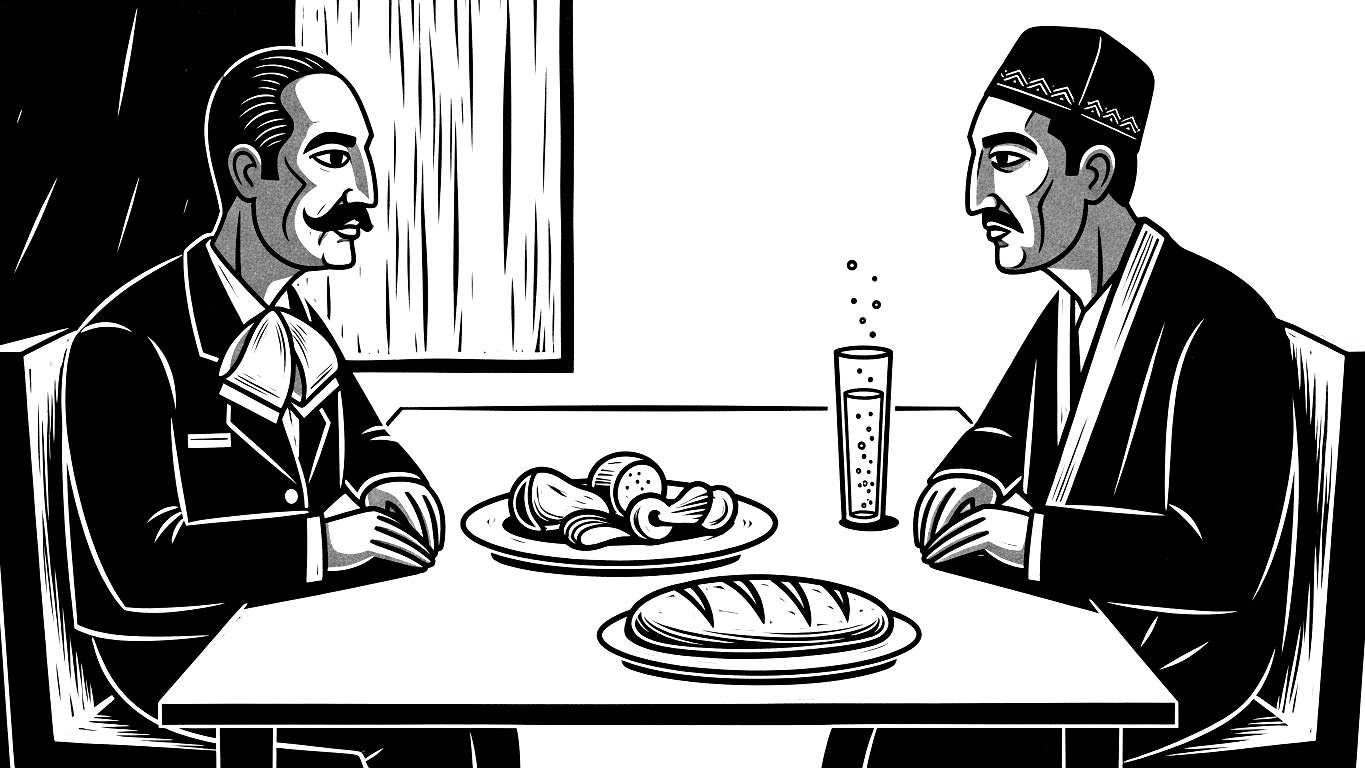
Mexico and Tajikistan
Prohibition as Erasure: The Ban Before the Object
Some prohibitions regulate behavior. Others do something more radical: they deny the object's very existence. It is in this second category that Mexico and Tajikistan, through very different paths, now find themselves.
In Mexico, prohibition arrives cloaked in legal density.
The reform of the General Health Law does not simply ban existing devices or liquids. It forbids technologies, mechanisms, and systems designed to heat, vaporize, or atomize inhalable substances, with or without nicotine, including hypothetical future formulations that do not yet exist.
Gels, salts, waxes, dry aerosols, resin extracts, oily compounds: the list functions less as a technical specification than as an authoritarian political gesture.
The legislator is attempting to shut down the future.
In doing so, the authorities avoid the uncomfortable task of explaining why products with significantly lower levels of toxic exposure than combustible cigarettes should not be regulated, but instead eradicated.
The law does not ask what the relative risk is, for whom, or compared to what. It begins with a prior assumption: that specific categories of technological practice do not even merit the status of a regulatable object.
That is why products with and without tobacco, and with and without combustion, appear side by side, treated as equivalent threats. The problem is not the substance. It’s the gesture. Not the measurable harm, but the possibility of existence.
This logic, ontological before it is sanitary, is rare even in classical prohibitionist policy. Alcohol, illicit drugs, pesticides, and high-risk pharmaceuticals are all regulated based on gradations, exceptions, and limits of use.
In the case of nicotine technologies, differentiation is discarded as a principle. The prohibition is not a response to a concrete problem. It preempts the very possibility of alternative solutions.
In Tajikistan, the same result is achieved through a shorter route.
There is no legal text, no parliamentary debate, no public justification.
There is only a directive.
In a Telegram post, the chairman of the upper house announced he had given “specific instructions” for committees to prepare a ban on the use, production, and circulation of electronic cigarettes.
Before the law comes the decision. Before the decision, nothing. Here, public policy is not born from data, nor from a choice between alternatives. It emerges as an act of authority.
The language is revealing: it does not speak of regulating, limiting, or controlling. But of eliminating from legitimate space. Public health operates as a command language. Not as a field of deliberation.
In both cases, through radically different degrees of institutional sophistication, the effect is the same. The vape is no longer treated as a dangerous object to be governed, but as something that should not exist.
The question of effectiveness, whether prohibition reduces consumption, shifts markets, or changes behavior, becomes irrelevant. The goal is not to manage risk. It is to declare moral boundaries.
When public policy operates in this register, evidence ceases to be central. What matters is the assertion of power. And once the state decides something cannot exist, any subsequent discussion of harm reduction, adult use, or comparison with smoking begins to sound like a technical heresy.

Vietnam
The Ban That Exports ‘Risk’
If in Mexico and Tajikistan the state decides that certain products should not exist, Vietnam offers a more precise, and perhaps more cynical, message. The products may exist. They just shouldn’t circulate among Vietnamese citizens.
Amendments to Vietnam’s Investment Law prohibit the manufacture, import, sale, and domestic use of vapor and heated tobacco products. So far, the script is familiar. What makes the Vietnamese case revealing is what follows: the same law explicitly authorizes production for export, provided that companies register within a specified administrative window.
The contradiction is not accidental. It is the key to interpreting the entire policy.
If the product were intrinsically unacceptable from a public health standpoint, exporting it would be unthinkable. If the concern were harm reduction, domestic regulation would be inevitable.
By permitting export and prohibiting internal use, the state implicitly acknowledges that the issue isn't the risk itself, but rather who assumes it and where.
Public health here does not function as a universal principle. It operates as a territorial instrument. The risk hypothesis used to justify non-regulation does not change when it crosses borders. Nicotine does not become less active abroad. What changes is the political calculus.
Vietnam protects its domestic narrative of health vigilance, avoids internal cultural friction, and simultaneously preserves revenue, industrial jobs, and foreign trade relationships.
This is not incoherence. It is political economy in its purest form.
This choice reveals something essential about the contemporary use of public health discourse: it need not be consistent. It needs to be functional.
By separating internal consumption from external production, the state signals virtue at home and pragmatism abroad. Health becomes a moral shield; trade, the real architecture.
There is also a revealing institutional detail.
Rather than operating primarily through health legislation, the government amends the Investment Law. In doing so, it shifts the debate from individual behavior to production structure. The product is not regulated. Investment is blocked.
It is a particularly effective form of prohibition: it acts before a regulated market can emerge and before domestic actors can gain enough political strength to contest it.
The timeline reinforces this reading.
The requirement for prior registration, coupled with an effective date only in 2026, creates a controlled transition window. This is not a response to a crisis. It is a planned reorganization. Here, time itself becomes political language. The result is undeniable: domestic consumption is undesirable, invisible, forbidden. Export production is tolerable, profitable, and manageable.
And when public policy explicitly accepts that a risk is unacceptable for its own citizens but acceptable for foreigners, the health argument ceases to be an analytical criterion. It becomes convenient rhetoric.
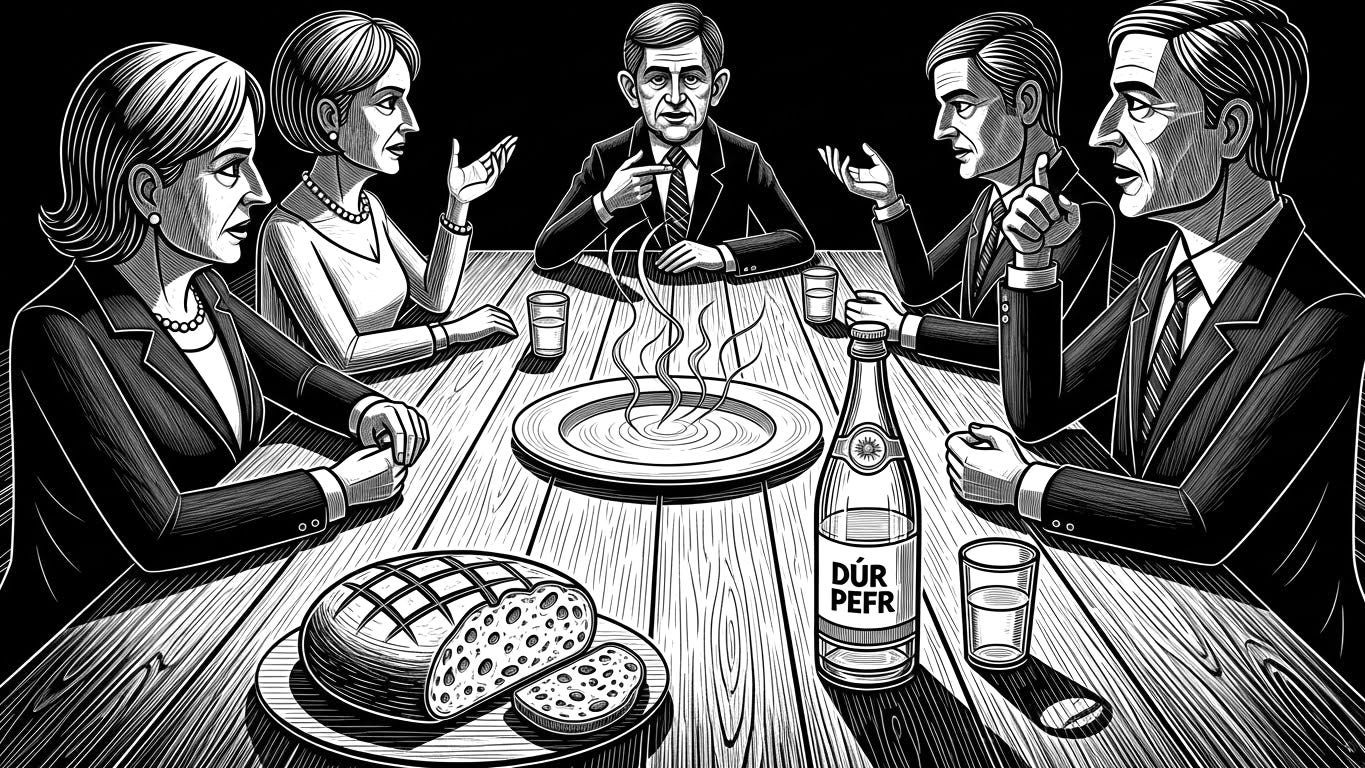
Wales
The Future, Legislated Without Evidence
In Wales, prohibition neither denies the product’s existence nor exports the risk elsewhere. It does something more ambitious and more challenging: it legislates the future.
By approving the UK government’s Tobacco and Vapes Bill, the Welsh Parliament endorsed a legal innovation with no empirical precedent. Anyone born after January 1, 2009, will never be allowed to purchase tobacco products, including heated ones, legally.
It doesn’t matter how old they become. It doesn’t matter the context.
The ban is permanent, based not on behavior but on date of birth. It is the so-called generational ban, a long-term political and legal experiment that cannot be tested, corrected, or evaluated in the present.
The state is wagering today on outcomes that will only become visible decades from now, by which point reversing course would require admitting political failure.
This marks a profound shift in the logic of public health.
Historically, health policies regulate actions: smoking indoors, selling to minors, and advertising harmful products. Here, the unit of regulation is the person, classified by birth cohort.
Two adults with the same habits and risk profile will be treated differently simply because they were born on opposite sides of an arbitrary calendar line.
Beyond being normative, the problem is also methodological. There is no current evidence capable of demonstrating that a permanent generational ban reduces long-term consumption, avoids selective illicit markets, prevents unequal enforcement, or does not push users toward more harmful alternatives.
Public policy abandons observable data and begins to function as a form of regulatory faith.
And the bill goes further.
It grants the Executive broad, open-ended powers to restrict content, design, packaging, and sale of tobacco, nicotine, and vapor products, including devices and substances not yet on the market.
These powers are not accompanied by clear standards of proportionality or by explicit requirements for evidence-based review.
Public health policy shifts, quietly, from Parliament to government, from ongoing debate to administrative decree.
Another revealing element is the treatment of nicotine.
Nicotine pouches are rightly restricted when it comes to sales to minors. But the broader legal framing treats all nicotine as an undifferentiated problem regardless of delivery method or risk profile.
By automatically extending rules for nicotine vapes to non-nicotine ones, the bill makes clear that the real target is not the compound itself.
As we’ve seen throughout this series (Global Dispatches), the global target is not nicotine itself, nor the combustible cigarette, but the symbolic gesture historically associated with tobacco.
Curiously, it is not the most lethal form of nicotine that draws the harshest policy response, but its lower-risk alternatives. The cigarette endures not despite the crackdown, but often because it is familiar, taxable, and symbolically domesticated.
What unsettles regulators is not only the product, but the possibility of pleasure outside sanctioned frameworks. People enjoy nicotine, and that, too, is part of what is being governed.
But the most eloquent silence is elsewhere.
For years, the UK was a global reference for its pragmatic use of vaping as a smoking cessation tool, with explicit support from the public health system. That tradition has simply vanished from the current political framework.
The adult smoker, present, measurable, persistent, has ceased to be a subject of public health policy. He becomes an acceptable externality.
The exclusive focus on the “next generation” functions as a perfect rhetorical shield. Any questioning can be framed as indifference toward children. Moralization of the future replaces management of the present.
What Wales ultimately approves is not just an anti-tobacco policy. It is a model of public health that abandons risk comparison and bets on fixed moral categories. It transfers enduring power to the Executive and its transient agendas, all in the name of an idealized future that does not yet exist and therefore cannot answer back.
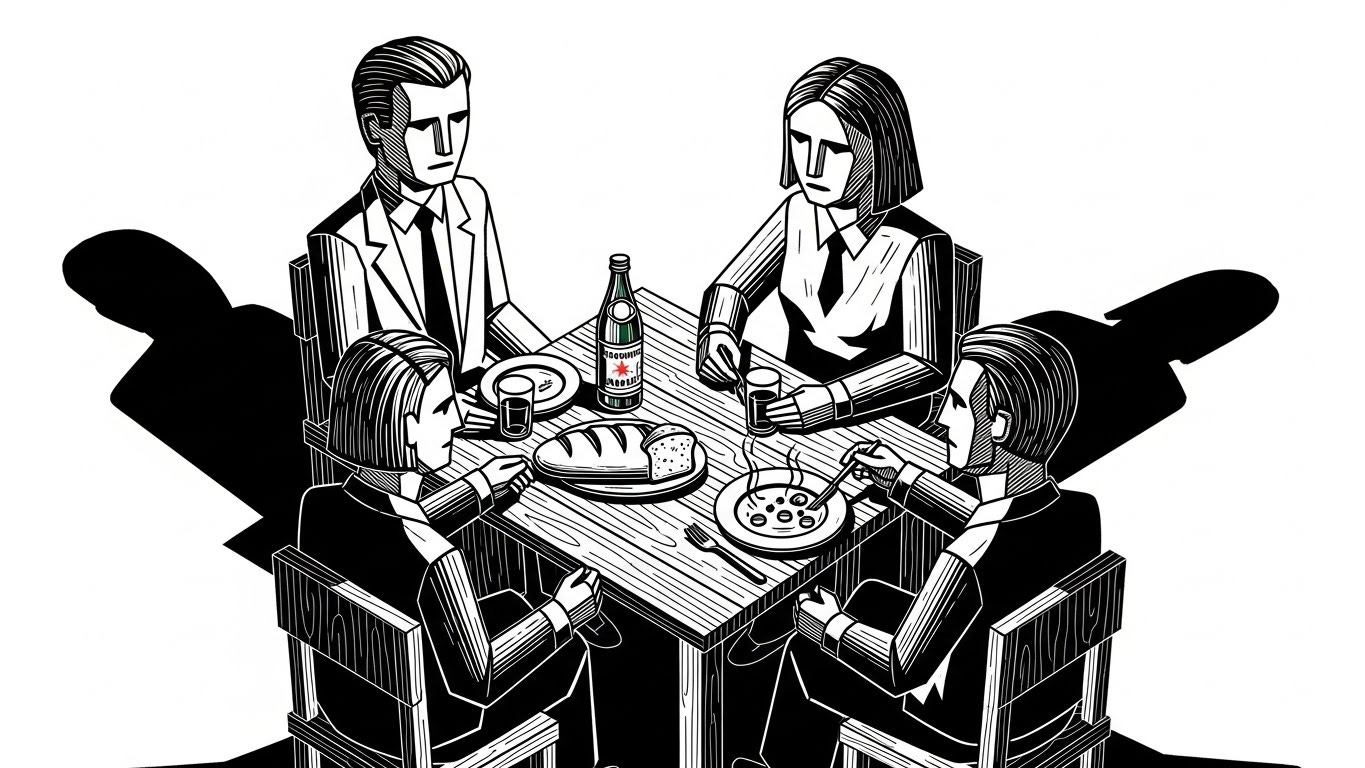
Austria
The State That Captures the Market
In Austria, public health manifests less through outright prohibition and more through the reorganization of the market under state control. It is a gesture that is less moralistic, more administrative, and, precisely for that reason, potentially more enduring.
In December, Parliament approved, as part of the 2026 budget law, the extension of the tobacco monopoly to nicotine pouches and e-liquids, while simultaneously launching a public consultation to ban disposables and impose strict technical limits on non-tobacco nicotine products.
These are not isolated moves, but elements of a single strategy.
By embedding the monopoly into budget legislation, a technical, low-visibility domain with no clear mechanisms for public oversight, the state produces a structural effect: Pouches and e-liquids are subject to the same administrative regime as cigarettes and are permitted for sale only through licensed tobacconists or authorized vendors.
Critics in the press have noted that this decision does not stem from new toxicological evidence, but from an older, more effective logic: If something cannot be eliminated, it can be captured. Consumption persists, but channeled through predictable circuits: fiscally traceable and institutionally controllable.
This kind of monopoly is not inherently illegitimate. In other contexts, it has been used to reduce harm and limit private abuse. It can be beneficial if accompanied by broad access, fair pricing, transparency, and fundamental mechanisms for social oversight.
Austria’s problem is not the existence of the monopoly, but its design: It emerges without robust public debate, without explicit health objectives, and without meaningful participatory channels.
In this arrangement, capture ceases to be a deliberate public health tool and becomes a form of opaque state curation.
The state not only regulates who sells, but also decides which products survive, in what formats, and at what cost, replacing market competition not with democratic governance, but with centralized administration: more fiscally predictable than rational from a health perspective.
The second move, the detailed technical regulation, completes the first.
The public consultation proposes a ban on disposables and the creation of a new legal category of “non-tobacco nicotine products,” subject to a specific set of restrictions: Maximum weight per unit, nicotine ceilings per gram, a closed list of flavor descriptors, and bans on ingredients like vitamins, caffeine, and taurine.
This goes beyond protecting against unknown risks. It is the microengineering of consumption. The state begins to define not just what can be sold, but how the body may absorb nicotine, in what amounts, under which sensory stimuli, and with what symbolic limits. Acceptable adult use ceases to be an informed choice and becomes a disciplined behavior.
But the central contradiction, rarely made explicit, is this: These measures primarily affect non-tobacco products, whose risk profiles are substantially lower than that of combustible cigarettes, which remain legal, widely available, and integrated into the same state monopoly.
The most lethal product stays accessible. Less harmful alternatives are captured, possibly restricted, made more expensive, and technically domesticated.
This is not incoherence. It is political coherence.
Cigarettes are known to be stable and predictable in terms of tax revenue. Alternative products are dynamic, technological, and challenging to fit into traditional control models.
The Austrian state appears to choose what it can administer, rather than what makes the most sense from a harm-reduction perspective.
This is where the Austrian model's sophistication lies. There is no war-on-drugs rhetoric, no explicit moral panic. There are precise numbers, elegant legal categories, public consultations, and budgetary instruments.
Public health functions as legitimizing language. Economic control becomes a permanent structure. Consumption is not eliminated. Risk may not be resolved.
What is decided, quietly, is who may sell, how they may sell, and what version of the adult user is deemed tolerable.
Philippines
Governing Speech, Managing Silence
In the Philippines, the state neither bans the product nor monopolizes the market. It does something subtler and potentially more effective: it subjects all to prior approval.
A proposed order from the Department of Trade and Industry requires that manufacturers of vapor products and so-called “novel tobacco products” obtain government authorization for any advertising or promotional activity at least 30 days in advance of its release.
At first glance, this appears to be a procedural adjustment. In practice, it marks a profound inversion of the regulatory paradigm. Until now, the logic was familiar: companies communicate; the state monitors, punishes abuses, corrects excesses.
The new rule reverses the axis. No communication can occur without government approval. All advertising is regarded with suspicion. The burden is no longer “not to deceive," but to convince the government to permit speech.
This is not just about regulating advertising but about establishing a system of prior approval for commercial speech, something that, in liberal democracies, is usually handled with great caution and implemented more subtly.
The requirement of advance submission creates a permanent mechanism of delay, uncertainty, and self-censorship. To inform becomes risky; to communicate, costly; to plan, a gamble. Decision-making power is concentrated in a “specialized office” within the ministry.
The draft, however, does not specify objective approval criteria, scientific standards, response timeframes, or appeal mechanisms.
This normative vacuum expands administrative discretion and enables decisions based not only on actual risk, but also on political mood, moral pressure, or institutional convenience.
The definition of “novel tobacco products” is deliberately broad: it includes any non-combustible substance, solid or liquid, that contains tobacco-derived nicotine or is used as a cigarette substitute.
This conceptual elasticity allows vastly different risk profiles, emerging technologies, and potentially useful cessation tools to be treated under the same bureaucratic filter.
There is no risk differentiation. No use differentiation. No audience differentiation. As in other countries in this series, the adult consumer disappears from the frame.
There is no mention of the right to information, the difference between persuasive and informative speech, or communication related to harm reduction.
By controlling advertising, the state determines which narratives may circulate, and thereby shapes which choices remain available.
The Filipino paradox is evident. In 2022, the country passed a specific law to regulate vapor products, with and without nicotine, implicitly recognizing that governing the market was preferable to banning it.
The new order does not revoke that logic, but it hollows it out.
Without formally banning anything, it creates an environment where existing in the public sphere depends on prior authorization.
It is a form of prohibition by attrition, a concept developed by Brazilian historian Henrique Carneiro to describe strategies that multiply practical barriers, administrative burdens, and daily frictions to disincentivize conduct without formally prohibiting it.
The product remains legal. But the conversation about it is monitored.
Public health no longer acts solely upon substances. It begins to govern silence.

Norway and Spain
When Some Law Still Resists
Amid the global expansion of prohibitions, monopolies, and discursive controls, some legal systems still generate friction.
Not because they promote harm reduction or reject public health discourse, but because they insist on what that discourse has increasingly avoided: proportionality, evidence, and comparison.
In Norway, this friction appears in almost clinical form.
The EFTA Surveillance Authority, which oversees compliance with European Economic Area rules, reviewed a proposal to maintain the ban on nicotine vapes and extend it to nicotine-free products.
The opinion acknowledges that states have leeway to adopt restrictive measures in the name of public health.
But it makes a devastatingly simple observation: Norway has banned the legal sale of these products for decades, and yet, 6% of the population reported using them in 2024. That amounts to around 150,000 people. The implicit question is unavoidable: If the ban has been in place for years, what exactly is it intended to protect?
In European law, good intentions are not enough. A restriction is only valid if it is necessary, proportionate, and effective in achieving its stated goal. By pointing out that use persists despite the ban, the authority shifts the burden of proof: prohibition is not evidence of protection.
A measure can coexist with the very behavior it seeks to eliminate and may even drive it underground.
The legal threshold becomes even stricter when the government proposes to ban nicotine-free products.
Without classical chemical dependence, the standard health rationale weakens.
The alleged risk becomes indirect, symbolic, or behavioral, the kind of justification that, within European legal frameworks, demands a concrete demonstration of necessity.
Invoking the protection of youth is no longer sufficient.
In Spain, dissent takes a different form. The National Commission on Markets and Competition does not block the government’s proposal to ban disposable vapes, nor does it defend vaping as a public health solution.
It simply recommends that the government assess whether “less restrictive alternatives” exist to a total ban.
The expression is bureaucratic, but its implications are profound. It reopens the space that the current debate seeks to close: policy comparison, impact evaluation, and risk differentiation.
Prohibition ceases to be a legitimate starting point and returns to what it should have always been: a last resort. The state is urged to demonstrate that regulation would be insufficient and that a ban is necessary.
The Commission also notes that many of these issues will soon be addressed at the European level, in the upcoming revision of the Tobacco Products Directive.
Banning now may entail later undoing, regulatory costs, legal uncertainty, and market distortions. European law, with its principles of coherence and proportionality, still imposes limits on prohibitionist enthusiasm.
The Architecture of Control
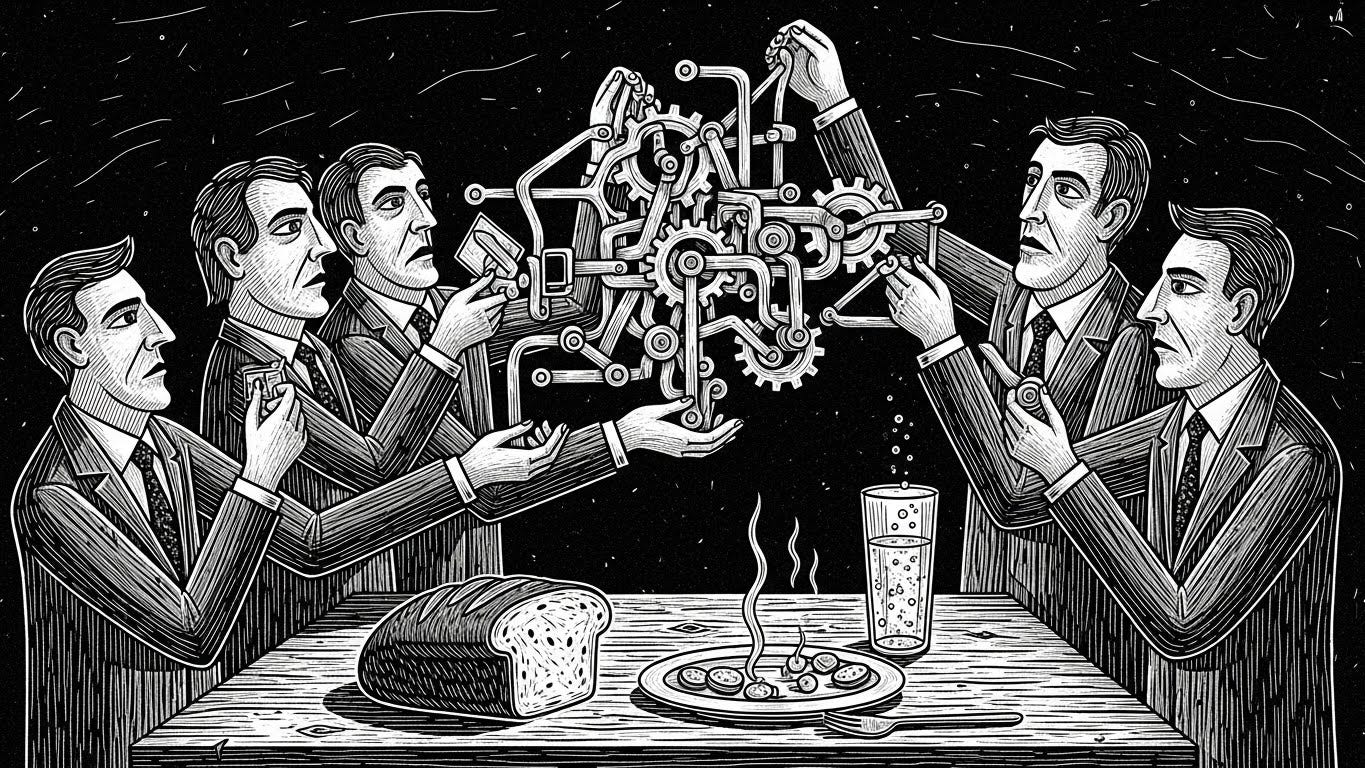
Seen together, these cases do not form an accidental mosaic. Countries with divergent political histories, legal systems, and regulatory traditions are nonetheless converging toward strikingly similar solutions.
Not because they share scientific evidence (it varies, is contested, or simply ignored), but because they share contemporary anxieties.
Anxiety about technologies that defy classical categories. Anxiety about dynamic markets, difficult to tax, and harder to control. Anxiety about adult behaviors that resist state, sanitary, and moral pedagogy. Anxiety about uncertainty itself: scientific, economic, social, political.
In response, a shift emerges in contemporary public health: It no longer operates as an empirical field for comparing risks, but as a legitimizing language for decisions already made.
The central question shifts: no longer “how to reduce real harm?” but rather, “how to render certain behaviors undesirable, invisible, or administrable?”
Responses vary across the globe, but they follow the same logic: to deny the object's existence, to externalize the risk, to legislate the future, to capture the market, to govern speech, or to displace debate beyond democratic reach.
What binds them is not vaping itself, but the replacement of imperfect, comparative, and revisable regulation with a moral management of risk: politically convenient, economically viable for select sectors, and empirically undemanding.